Why Get A Permanent Retainer After Braces?
After braces come off, your teeth don’t stop moving. Without support, they naturally begin to shift over time. A permanent retainer after braces offers a simple, discreet, and long-term way to keep your smile perfectly aligned. This thin, bonded wire sits behind your teeth, holding them in place without any daily effort or remembering to wear a removable device.
With this fixed solution, you’ll enjoy consistent alignment and stability, a nearly invisible design, and minimal upkeep compared to removable retainers. We’ll also cover common concerns, cost, and how permanent options compare to removable ones.
What Is a Permanent Retainer?
How It Works
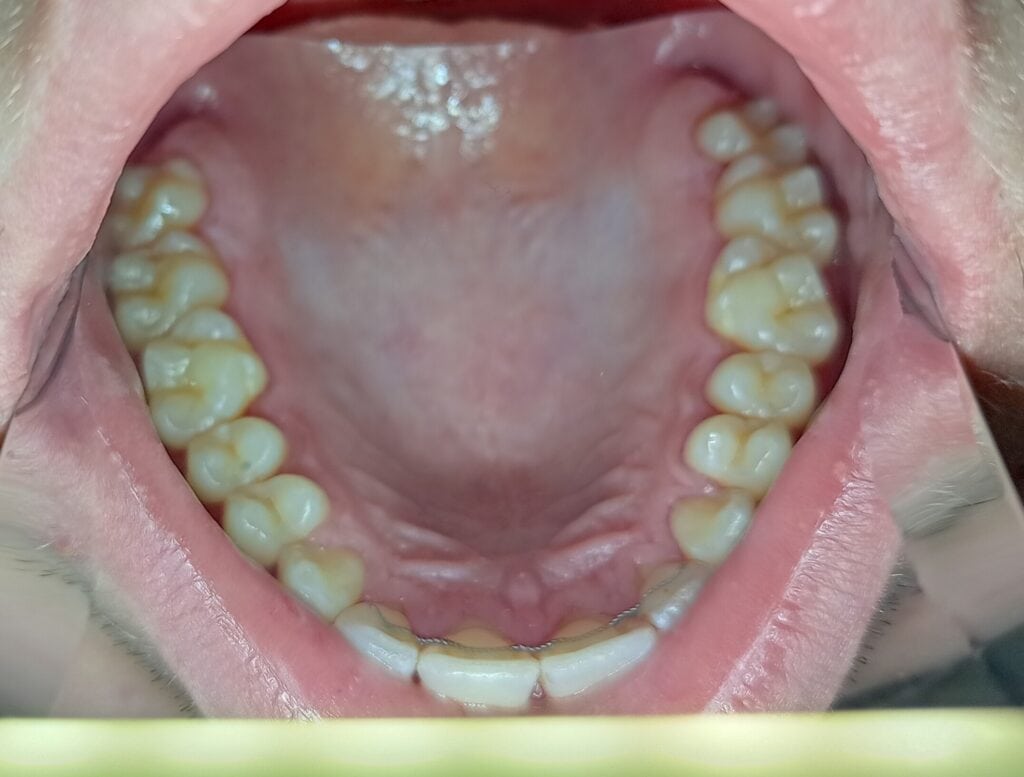
A permanent retainer is a thin, fixed wire attached behind your front teeth using a strong dental adhesive. It’s carefully bonded to the enamel, making it virtually invisible when you smile. The wire’s purpose is to hold your teeth in their final position after braces, preventing unwanted movement or relapse over time. This provides long-term stability without needing daily attention or removable devices.
Who It’s For
This retainer is ideal for people who may forget or lose a removable retainer. It’s commonly recommended for teens still growing, adults with braces, or anyone whose teeth are prone to shifting, including younger patients who’ve completed braces for kids programs and want to maintain a lasting, confident smile.
Why Orthodontists Recommend Them
Consistent Retention Without Effort
One of the biggest advantages of a permanent retainer is that you never have to remember to wear it. Since it’s bonded in place, it continuously keeps your teeth aligned and significantly reduces the risk of relapse or shifting over time. This makes it a favorite among orthodontists who want to ensure lasting results.
Invisible and Comfortable
Because the retainer is placed behind your teeth, it’s practically invisible in daily life. Most patients report no speech changes or irritation, making it ideal for school, work, and social settings.
Long-Term Results
With good care, a permanent retainer can keep teeth in their ideal position for decades. Practices like Longmont Braces emphasize these retainers as a long-term, low-maintenance investment in your smile.
Permanent Retainer vs. Removable
Convenience
When comparing a permanent retainer vs removable, convenience is one of the biggest differences. A permanent retainer works around the clock, it’s always in place, maintaining your alignment without you having to think about it. Removable retainers, on the other hand, require discipline and consistency to wear nightly or as prescribed. Missing even a few days can cause teeth to shift. Removable retainers may break or get misplaced, leaving patients wondering which retainers is best after braces for their lifestyle.
Hygiene and Maintenance
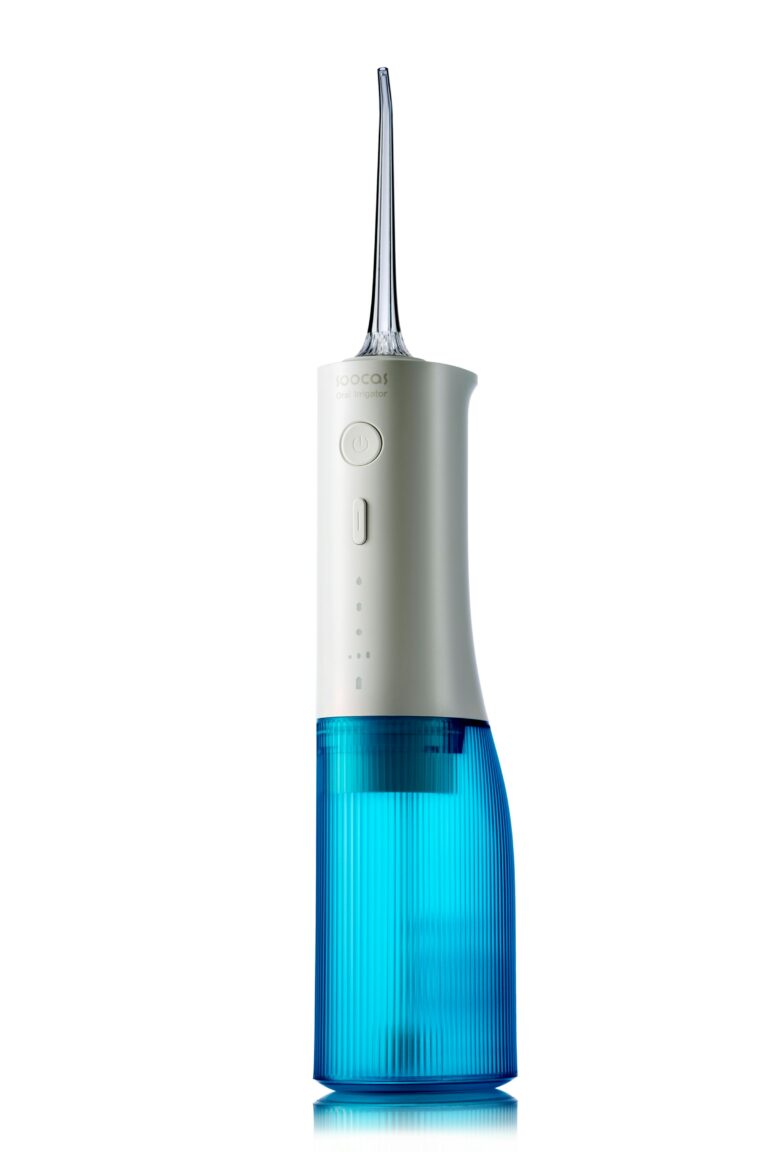
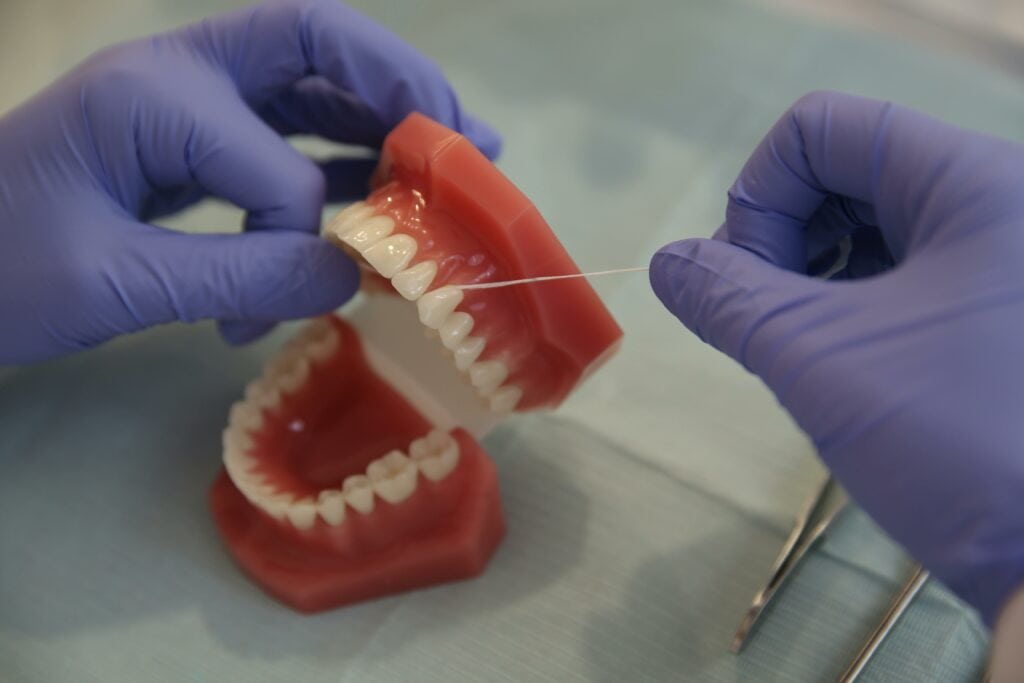
Permanent retainers need extra attention when flossing since the bonded wire can trap food. Using floss threaders or a water flosser helps keep the area clean. Removable retainers, meanwhile, are easier to brush and rinse separately.
Common Permanent Retainer Problems
Wire Breaks or Bond Failure
Even a well-made permanent retainer can loosen or break over time, especially from chewing hard foods or experiencing dental trauma. If you notice a loose wire, contact your orthodontist promptly to prevent teeth from shifting.
Plaque Buildup
Because the wire sits behind the teeth, it can trap plaque and food debris. Regular brushing and careful flossing are essential to prevent gum irritation or decay. Floss threaders or water flossers make cleaning easier and more effective.
Speech or Tongue Discomfort
Some patients may feel slight tongue irritation or a lisp initially, but this usually disappears within a few days. With proper care and regular checkups, your retainer can stay effective for years, demonstrating how long retainers last with good maintenance.
Permanent Retainer Cost and Longevity
Cost Factors
The permanent retainer cost typically ranges between $250 and $500 per arch, depending on the materials used, the complexity of placement, and your orthodontist’s fees. Some insurance plans may partially cover the expense, especially if it’s part of post-braces treatment.
Longevity
With proper care, a permanent retainer can last anywhere from 10 to 20 years. Regular dental checkups, professional cleanings, and daily flossing help maintain both the wire and your oral health. While the initial cost may be higher than a removable option, the long-term durability and low maintenance often make it a worthwhile investment for maintaining your smile’s alignment for years to come.
FAQs
How long should I keep my permanent retainer after braces?
Most orthodontists recommend keeping it indefinitely, as teeth can shift even years after treatment.
Can a permanent retainer come loose or break?
Yes, chewing hard foods or natural wear can loosen the bond. If this happens, schedule a repair as soon as possible.
Is a permanent retainer better than a removable one?
It depends on your habits and lifestyle. Permanent options offer effortless stability, while removable retainers are easier to clean.
How do I clean around a permanent retainer?
Use floss threaders or a water flosser daily to remove plaque under the wire.
How much does it cost to replace a permanent retainer?
Replacement costs usually range from $250 to $500 per arch, depending on materials and labor.