Can You Use Mouthwash With Braces?
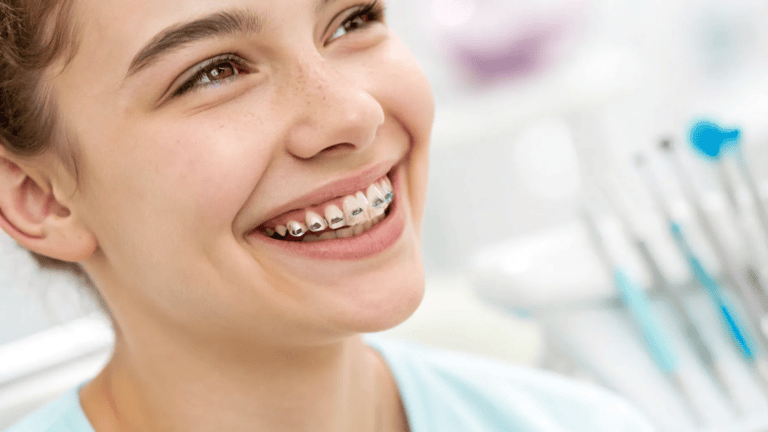
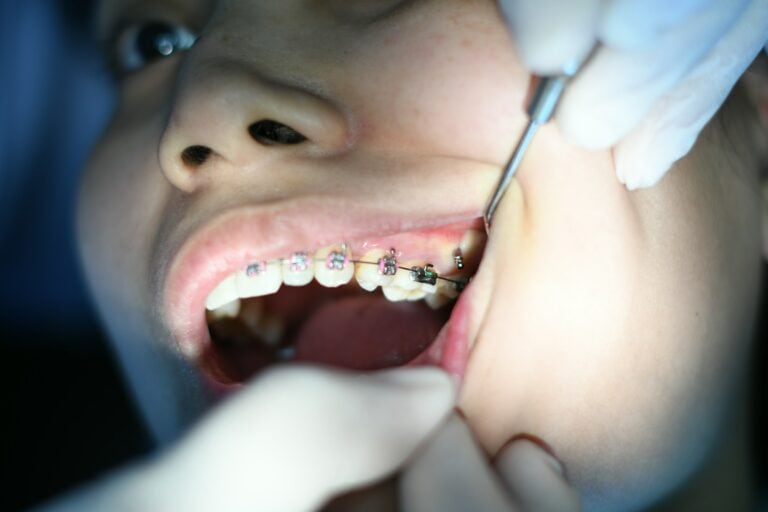
If you’ve ever wondered, “can you use mouthwash with braces?”, you’re not alone. Many orthodontic patients, including those in Colorado and Longmont, want to know how mouthwash fits into taking care of your braces. The right rinse can make a big difference by keeping your breath fresh, preventing cavities, and strengthening enamel. Let’s explore how mouthwash helps protect your smile throughout your orthodontic journey.
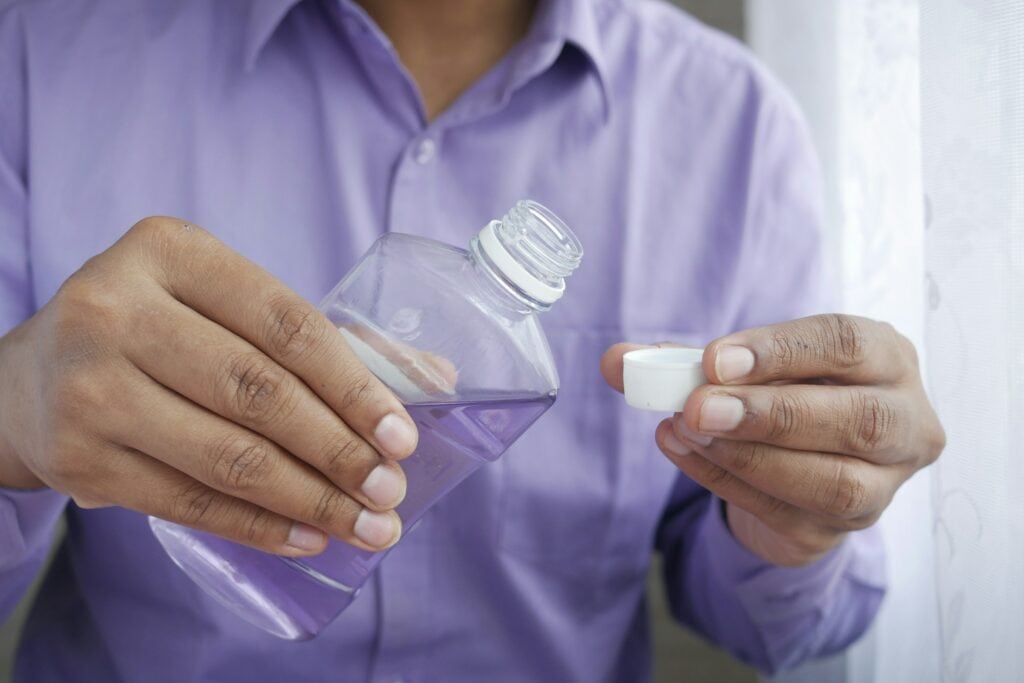
Why Mouthwash Is Safe and Beneficial for Braces
Mouthwash Won’t Damage Brackets or Wires
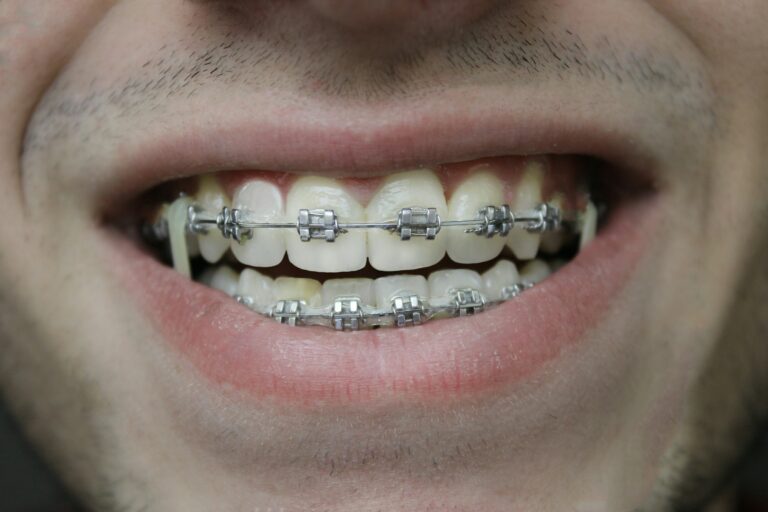
You can feel confident using mouthwash with braces, it won’t harm your brackets or wires. Both stainless steel and ceramic braces are highly resistant to corrosion and staining from standard rinses. The only caution is with brightly colored mouthwashes, which can sometimes tint clear or white elastic ties. These bands are replaced regularly, so any discoloration is temporary.
Oral Health Benefits of Mouthwash
Using mouthwash daily helps reduce plaque and bacteria buildup around brackets, preventing gingivitis and white spots. Plus, a fluoride rinse strengthens enamel, providing an added layer of protection to keep your smile healthy and bright throughout your orthodontic treatment.
Choosing the Best Mouthwash for Braces
Key Ingredients to Look For
When selecting a mouthwash for braces, focus on ingredients that protect your teeth and gums without causing irritation.
- Fluoride helps strengthen enamel and prevent cavities.
- Alcohol-free formulas are gentler on gums and help prevent dryness or irritation.
- Antibacterial agents reduce plaque, gingivitis, and bad breath.
Avoid whitening mouthwashes during treatment, as they can create uneven coloring when your braces are removed. Choosing the right formula ensures comfort and lasting oral health.
Top Recommended Mouthwash Options
Some orthodontist-approved options include:
- Colgate Ortho Defense Anticavity Fluoride Rinse: alcohol-free and ADA approved.
- ACT Anticavity Fluoride Mouthwash: offers the maximum fluoride concentration for enamel protection.
- Crest Pro-Health Advanced Mouthwash: combines antibacterial and fluoride benefits for full-mouth protection and fresh breath.
How to Use Mouthwash Effectively With Braces
When to Use Mouthwash
For the best results, wait a while after brushing before rinsing. This allows the fluoride in your toothpaste to fully bond to your enamel, strengthening your teeth’s natural defenses. Afterward, use your mouthwash to add another layer of fluoride protection and maintain a clean, healthy smile.
How Often to Use
Using mouthwash once or twice a day is ideal for keeping your braces clean and your breath fresh. If you can’t brush after lunch or snacks, a quick rinse helps remove food particles and reduce bacteria buildup until your next brushing.
Common Mistakes to Avoid
Never rely on mouthwash as a replacement for brushing or flossing. Also, avoid expired or alcohol-based formulas that can cause dryness and gum irritation.
Mouthwash vs. Toothpaste: What’s More Important?
The Role of Each Product
Both toothpaste and mouthwash play vital roles in keeping your teeth and braces clean. Toothpaste physically removes plaque and food debris, while mouthwash complements brushing by reaching tight spots that braces often make difficult to access. The best toothpaste for braces contains fluoride and gentle abrasives, avoiding whitening ingredients that can cause uneven coloration.
Working Together for Best Results
For optimal oral health, combine brushing, flossing, and rinsing daily. This complete hygiene routine keeps your teeth strong and your gums healthy throughout orthodontic treatment. Orthodontists in Longmont, Colorado, often recommend fluoride-based pastes and rinses, to prevent white spots and ensure a confident, radiant smile.
Special Considerations for Adults With Braces
Gum Sensitivity and Dry Mouth
Adults with braces may notice increased gum tenderness or occasional dry mouth during treatment. To ease discomfort, choose hydrating, mild rinses designed for sensitive gums. Avoid astringent or alcohol-based mouthwashes, which can cause further dryness and irritation. A soothing, alcohol-free formula helps keep your mouth balanced and refreshed.
Professional Whitening Post-Braces
It’s best to wait until your braces are removed before using any whitening rinses or products. Doing so prevents uneven coloration where brackets once sat. After treatment, orthodontic experts at Longmont Braces can recommend a professional whitening option that safely enhances your smile’s brightness and overall appearance.
FAQs
Can you use mouthwash with braces?
Yes. Mouthwash is safe to use with braces and helps clean the areas that brushing and flossing can’t reach while also strengthening your enamel.
Should you use mouthwash with braces daily?
Absolutely. Using it once or twice a day offers the best protection against plaque buildup and bacteria.
What is the best mouthwash for braces?
Choose alcohol-free and fluoride-based options like Colgate Ortho Defense, ACT Anticavity, or Crest Pro-Health Advanced.
Is mouthwash a substitute for brushing?
No, mouthwash is a supplement, not a replacement, always brush and floss first.
Can I use whitening mouthwash with braces?
It’s best to wait until after treatment, since whitening products can cause uneven coloring.